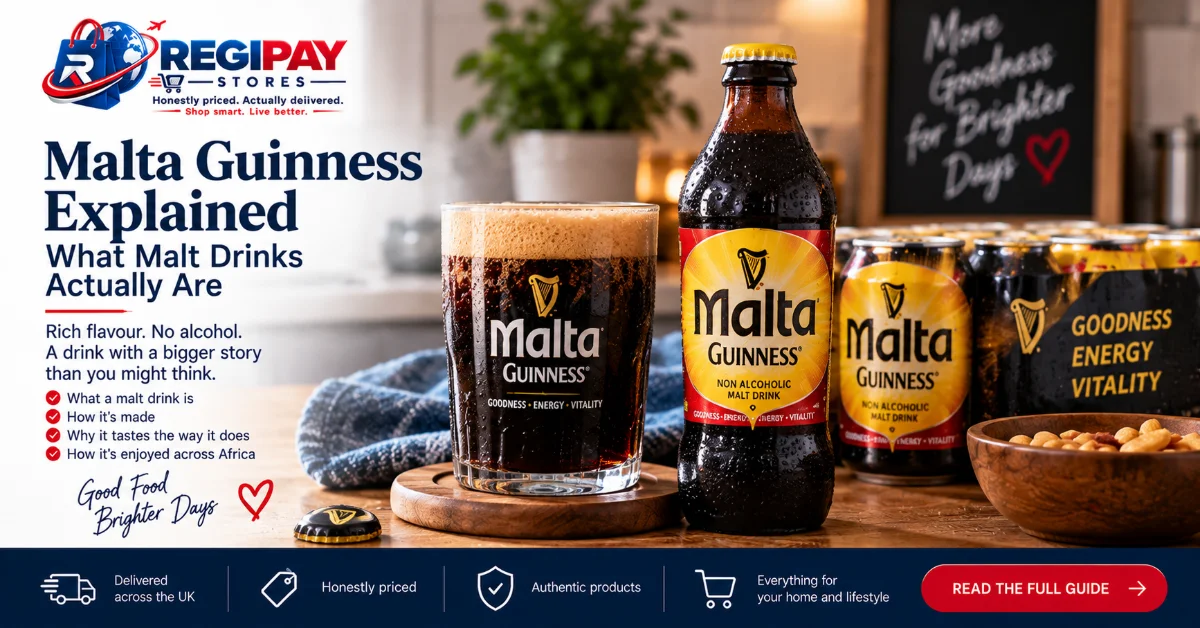
Malta Guinness is a sweet, dark, non-alcoholic malt drink brewed from malted barley by Guinness Nigeria, and despite the colour, the foam and the name on the can, it is not a beer and it is not a stout. It is made using the first half of the brewing process and then stopped before the step that would produce alcohol, which is why it tastes of caramel and roasted grain and leaves you completely sober. If you have seen it in a corner shop fridge and assumed it was a small stout, you are in large company.
This guide covers what a malt drink is, how it is made, why it tastes as it does, how it is served across West Africa and the Caribbean, the sugar and gluten position, and how to buy and store it sensibly.
Last reviewed September 2026. Prices, pack sizes and availability change, so confirm the current price on the product page before ordering.
What a malt drink actually is
A malt drink is a soft drink built out of beer ingredients: malted barley, water, a small amount of hops, and added sugar or caramel. It is dark, sweet, heavily carbonated and non-alcoholic.
Malta Guinness is the version made by Guinness Nigeria Plc, part of Diageo, and it was launched in Nigeria in the 1980s. It sits in a family of drinks you will find on the same shelf, including Supermalt, Vitamalt, Maltina and Amstel Malta, which differ in sweetness and body but are all the same idea.
The name causes most of the confusion. Guinness is a stout brand, the can is dark, the liquid pours with a head, and the whole thing looks like a beer in the wrong container. It is not one, and never has been.
Brewed, not fermented: where the alcohol does not happen
The difference between a beer and a malt drink is a single step, and it is worth understanding properly, because the same step explains why malt is so sweet.
Malting and mashing
Barley is steeped in water until the grain begins to germinate, which activates enzymes inside it. The maltster then dries the grain to stop it growing and roasts a portion of it darker. That roasting is where the colour and the faint coffee bitterness come from, exactly as it does in a stout.
The malted grain is then milled and mixed with hot water, a step called mashing. The enzymes convert the starch into fermentable sugar, and what runs off is a sweet brown liquid called wort. Wort is the common ancestor of every beer and every malt drink there is.
Where beer carries on and malt stops
Beer takes that wort, adds yeast and lets it ferment. The yeast eats the sugar and produces alcohol and carbon dioxide. That is the whole of the difference.
A malt drink does not take that step, or takes it only in a controlled and arrested form. The sugar that would have become alcohol stays in the glass as sugar, which means the drink is sweet and non-alcoholic for one and the same reason. The fizz is added rather than earned, which is why malt is more aggressively carbonated than most beers. Hops still appear in small quantities, for a little bitterness and balance, without which it would be flatly sweet.
Why it tastes of caramel, molasses and a little bitterness
The flavour arrives from three places at once. The roasted malt gives caramel, molasses, treacle and dark bread. The residual malt sugar and any added sugar give the sweetness and the syrupy weight. The hops and the darkest grain give the bitterness that sits at the back of the mouth after you swallow.
For a reference point from a British cupboard, malt is closer to malt loaf or dark treacle than to a cola. The smell in particular is closer to a dark beer, which is what catches first-timers out.
Why people split on it so sharply
Malt is sweet, and it has almost none of the acidity that makes a cola or a lemonade feel refreshing. Acidity is what cuts through sugar and leaves a fizzy drink tasting clean. Malt has very little, so the sweetness sits where you left it.
People who like it tend to like it from the first mouthful. People who do not usually get halfway down the can and find it heavy going. Serving it properly cold narrows the gap but does not close it, and if you dislike sweet drinks in general you will dislike this one.
How it compares with other malt drinks and a stout
The table below is a broad comparison rather than a laboratory measurement. Sweetness varies most between brands.
| Drink | Alcohol | Sweetness, broadly | Colour | Typical serve | Who it suits |
|---|---|---|---|---|---|
| Malta Guinness | None | Sweet, with clear roasted bitterness behind it | Very dark brown, near black | Fridge cold, straight or with evaporated milk | Roast character as well as sugar |
| Supermalt | None | Sweeter, fuller bodied, less bitter | Dark brown | Fridge cold, very often with milk | The heaviest version |
| Vitamalt | None | Sweet but lighter and cleaner | Dark amber to brown | Fridge cold, usually straight | Those who find the others heavy |
| Maltina | None | Sweet, softer, less roasted | Dark brown | Fridge cold, straight | First-time malt drinkers |
| A dry stout such as Guinness Draught | Around 4 to 8 per cent by version | Not sweet, dry and bitter | Black under a thick head | Cellar cool, never ice cold | People who want a beer |
Hand a Malta Guinness to somebody expecting a stout and they will be disappointed inside one mouthful. The two share a colour, a brewer and a raw material, and almost nothing else.
How it is served in West Africa and the Caribbean
Cold, and usually with food. Malt goes on the table at a naming ceremony, a wedding or a Sunday lunch, because it is the one thing you can hand to anybody, children and non-drinkers included. It is poured alongside jollof rice, suya, meat pies and fried plantain, and it stands up to heat and spice better than a light soft drink. In Caribbean households it sits in the same corner of the fridge, often under another brand name.
Malt with evaporated milk
Pouring evaporated milk into malt is ordinary everyday practice across Nigeria, Ghana and much of the Caribbean. It is not a novelty, and in some households you will simply be handed it that way.
The method is straightforward. Chill both the can and the tin, pour the malt into a tall glass first, then add two or three tablespoons of evaporated milk and stir gently. Some people go as far as half and half. Adding milk to warm malt, or pouring malt on top of milk, will foam it over the rim within seconds.
The result tastes less sweet than it sounds, because the fat in the milk rounds off the sugar and softens the roast bitterness. It is rich, and half a can made this way is enough for most people. Condensed milk works, but it is sweetened, and the result is closer to a pudding than a drink.
Sugar, gluten and being straight about the downsides
Sugar
Malta Guinness is a sweet soft drink and should be counted as one. The sweetness is not a flavouring trick. It is malt sugar that never became alcohol, plus whatever is added on top, and there is a meaningful amount of it in a 330ml can.
We are not going to print a figure, because recipes change and the only number worth trusting is the one on the nutrition panel of the can in your hand. It is printed there so that nobody has to take a shop's word for it.
It is not a health drink and not a sports drink, whatever the malt and the dark colour suggest. Anyone managing their sugar intake for medical reasons should speak to their GP or a registered dietitian rather than the internet.
Gluten
The label on the cases we stock declares cereals containing gluten, which follows from the drink being brewed from malted barley. It is not suitable for anyone with coeliac disease or a diagnosed gluten intolerance, and nothing about how you serve it changes that. Declarations do change, so read the label on the pack in front of you rather than any article, this one included.
Where it is the wrong drink
- If you want something refreshing on a hot day or after exercise, this is the wrong choice. It is heavy and sweet and quenches very little.
- If you are cutting down on sugar, it is not a sensible everyday drink, and there is no low sugar version on the shelf.
- If you want a non-alcoholic stand-in for a stout, malt is not it. Alcohol-free stouts are dry and malt is sweet.
- If you or anyone you are serving has coeliac disease, it is out.
Buying by the case, storing it and getting the temperature right
A case against singles
Malt is priced very differently by the case than by the can. The Malta Guinness Malt Drink box of 24 x 330ml cans is £28.99 at the time of writing (October 2026), which is about £1.21 a can. Check the current price on the product page before ordering.
A case makes sense if you drink malt regularly, or are buying for a christening or a house full of people. It makes less sense if you buy one occasionally, because 24 cans is a large box needing a cupboard, a garage shelf or the bottom of a wardrobe.
Standard UK delivery is £7.99 and free on orders of £100 or more, with most items estimated at 3 to 7 working days from dispatch, so a case is worth ordering alongside the rest of your shop from the African and Caribbean groceries shelves rather than on its own.
Storage
Cans keep perfectly well at room temperature in a dark cupboard, and that is where the bulk of the case should sit. Heat and light are what age the drink, so keep the box away from the hob, the boiler and any sunny windowsill.
The date on the can is a best before date rather than a use by date, so it is about quality rather than safety. An old malt tastes duller and flatter than a fresh one. Buy a case you will genuinely finish within a few months.
Once open, a can goes flat faster than a cola, because there is a great deal of sugar and very little acidity holding the drink together.
Serving temperature
Temperature matters more with malt than with almost any other soft drink. Sweetness reads as heavier as a drink warms, so malt at room temperature tastes like syrup while the same malt at fridge temperature tastes balanced.
Keep four or six cans in the fridge and leave the rest in the cupboard. There is no benefit to chilling all 24, and a fridge full of malt is a fridge with nowhere to put the milk. Drink it within twenty minutes of leaving the fridge, and do not use the freezer to hurry it.
What to do with it in the kitchen
Malt behaves in cooking roughly the way stout does, minus the alcohol and plus a good deal of sugar. That makes it useful in a few places and a nuisance in others, because sugar burns.
- Reduce a can with garlic, ginger, chilli and a splash of soy until syrupy, then brush it onto grilled chicken, ribs or wings in the last few minutes. Brush it on at the start and it will be black before the meat is done.
- Use it as part of the liquid in a slow braise of beef or goat, in the role stout plays in a beef and ale stew. It darkens the sauce and takes the edge off the heat.
- Swap it for some of the liquid in a dark fruit cake, a gingerbread or a malt loaf. The crumb comes out darker and moister, and it agrees with treacle and mixed spice.
- Pour it over vanilla ice cream, which is the closest thing to a malt float you will manage without a blender.
What it will not do is make a savoury sauce on its own. A malt reduction with no vinegar, lime or tomato to balance the sugar tastes like sweet gravy, and there is no rescuing it from there.
Frequently asked questions
Is Malta Guinness alcoholic?
No, Malta Guinness is a non-alcoholic malt drink. It is brewed from malted barley but never fermented into alcohol, and fermentation is the step that would make it a beer. It is drunk by children and by people who do not drink alcohol at all.
Is Malta Guinness a beer or a stout?
It is neither. It shares its raw materials, its brewer and its colour with a stout, but stops before fermentation, so it has no alcohol and a completely different flavour. It is sweet, where a stout is dry and bitter.
Why do people drink Malta Guinness with milk?
Because the fat in evaporated milk rounds off the sweetness and softens the roasted bitterness, giving something closer to a malted milkshake. It is an everyday practice across West Africa and the Caribbean rather than a novelty. Two or three tablespoons of cold evaporated milk into a cold glass of malt is the usual ratio.
Is Malta Guinness gluten free?
No. The label declares cereals containing gluten, because the drink is brewed from malted barley, so it is not suitable for anyone with coeliac disease. Check the label on the pack you have bought, since declarations can change.
How much sugar is in Malta Guinness?
It is a high-sugar soft drink, and the exact figure is on the nutrition panel of the can. We do not quote a number, because recipes and pack sizes vary and the label is the only reliable source. Treat a can as you would any other sweet fizzy drink.
Does Malta Guinness need to be refrigerated?
No, unopened cans are stable in a cool, dark cupboard. Chilling is about flavour rather than safety, and malt tastes noticeably better cold because warmth makes the sweetness feel heavier. Chill what you plan to drink and leave the rest in the box.
Choosing yours
If you already know you like malt, buying by the case is the sensible way to do it, and the Malta Guinness box of 24 x 330ml cans is £28.99 at the time of writing (October 2026), with the current price shown on the product page. If you have never tried it, buy a single can locally first, chill it properly, and decide whether the sweetness suits you before committing to 24.
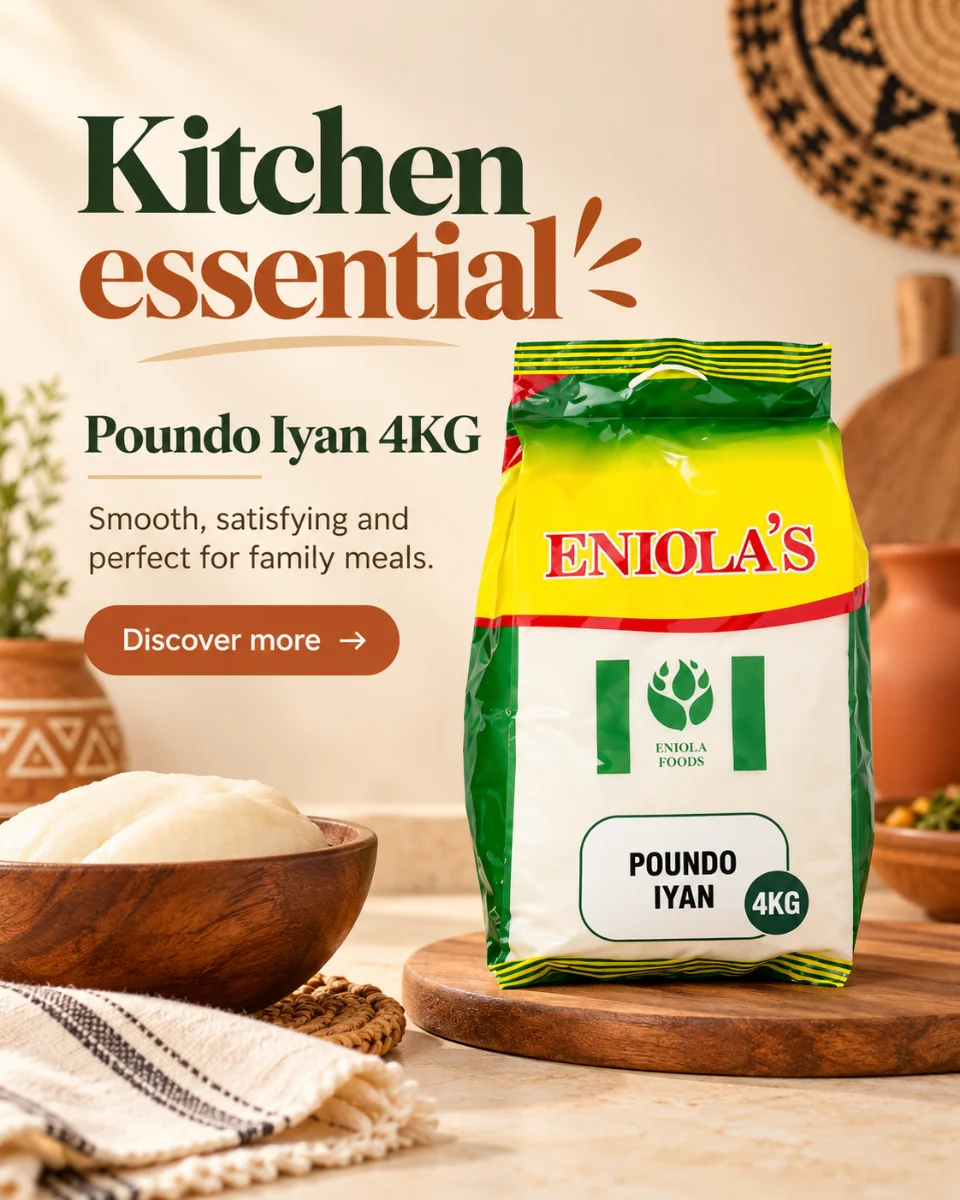
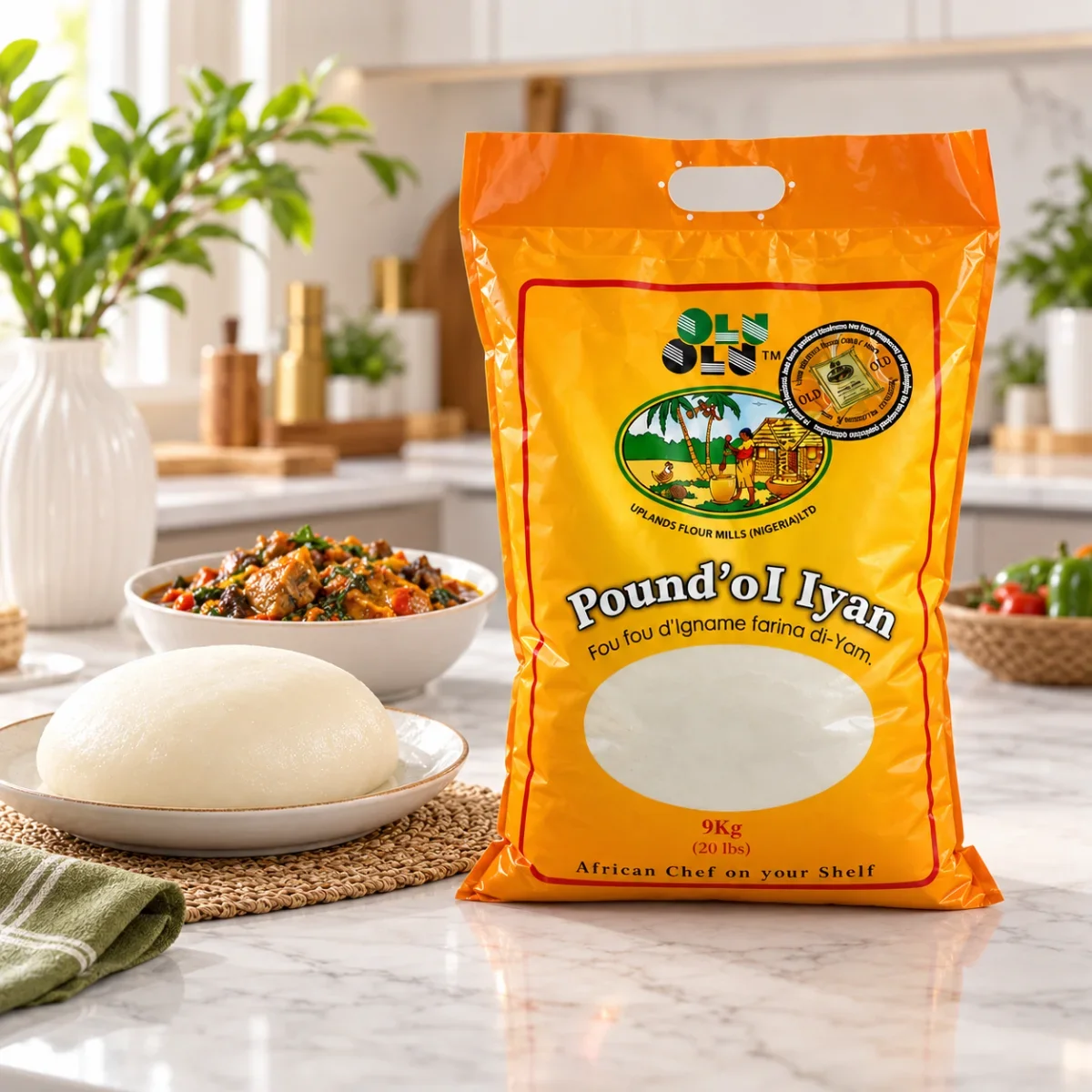
If you are stocking a wider African and Caribbean cupboard, our guides to Ijebu garri and pounded yam with poundo flour cover two staples that end up in the same basket as the malt.